About Us
Find out about who we are & what we do

Who we are...
Our Strategy
- Bringing the DHDDS & NUS1 community together. We will provide support for our existing DHDDS community, whilst also finding more individuals that carry DHDDS & NUS1 mutations. We hope that this will improve our knowledge of the spectrum of symptoms and enable us to better understand why the DHDDS & NUS1 variants manifest differently in individuals.
- Educating, informing and raising public awareness of the DHDDS mutations.
- Building connections with scientists and researchers so that we can aid understanding of these mutations and work with them to help find potential treatments to improve the lives of those living with DHDDS mutations.
We also have a private Facebook group Cure DHDDS & nUS1 community for patients who carry the mutations, and medical professionals involved in DHDDS and NUS1 research.

Our Team
In 2022, after many years of tests and appointments Mel and Charlie discovered that two of their children carried a DHDDS mutation.
Armed with very little information on the condition they took to Google to find out what it meant and soon realised they were dealing with a newly discovered disorder which still had a lot of questions surrounding its causes and evolution.
They joined a Facebook group set up by Brenda Ramseyer-Cantlon another parent whose daughter had a DHDDS mutation. From a group of 3 parents they have now grown to encompass both individuals who carry DHDDS mutations and researchers and scientists who are studying it.
The group continues to grow. Now in 2023 they have set up the charity Cure DHDDS which is run entirely by families and volunteers.


CEO & Founder
Mel founded Cure DHDDS in April 2023 after discovering that two of her three children carry a DHDDS gene mutation. Since establishing the charity, she has become a leading voice within the rare disease community, speaking at conferences and serving on expert panels.
She has organised biannual scientific exchange meetings, bringing together the global scientific community to accelerate collaboration and progress.
Mel also plays a key role in supporting and growing the DHDDS patient community, ensuring families have information, connection, and advocacy.
She has led impactful fundraising initiatives to advance research and treatment development and brings urgency, determination, and unwavering commitment to the charity’s work every day.
In addition, Mel is a member of the Genomics England Participant Panel, a trustee of CDG UK, a member of the LSD Collaborative, and serves on the Lived Experience Advisory Panel for the Acceleration of Rare Disease Trials programme with LifeArc.
Trustees
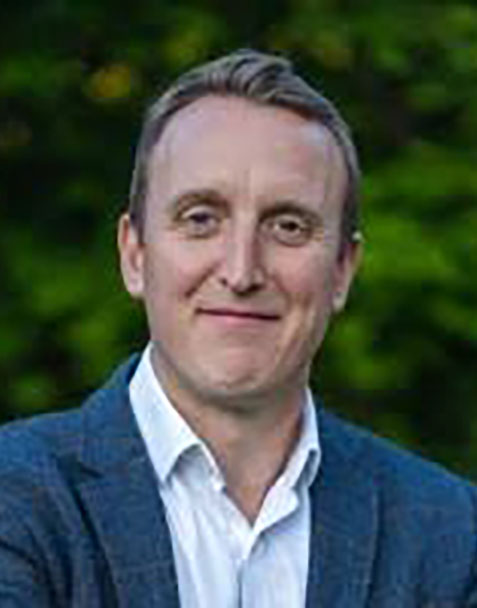
Ian Roberts

Charlie Dixon

Penny Brogan

Louise Townley

Katie McCombe

Victoria Allan
Scientific Advisors


Dr. Lyons is the Director of Clinical Services at GGC and is actively involved in the clinical evaluation of genetic conditions in individuals of all ages. His areas of interest include telegenetics, dysmorphology, single gene disorders, genetics education, and treatment of genetic disorders. Dr. Lyons has diagnosed and followed numerous patients with congenital disorders of glycosylation with a particular interest in the clinical features associated with variants in the NUS1 gene.


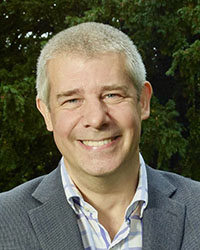

Dr. Steward has spent around 30 years’ working with the human genome and for the past 10 years, specifically on rare neurological diseases on the Wellcome Genome Campus, Cambridge UK and since 2022 at Genomics England, UK. Charles spent 22 years at the Wellcome Sanger Institute, which is where he did his PhD and has co-authored numerous publications including at least 20 in Nature journals. Charles led the initial human chromosome 10 analysis, published in Nature (Deloukas et al., 2004) and led an international collaboration investigating the genomic basis of developmental and epileptic encephalopathies, published in npj Genomic Medicine (Steward et al., 2019). Charles is a scientific and patient engagement advisor to several patient groups and is a member of the Governance Council for the International Cerebral Palsy Genomics Consortium. Charles is also the father of two children with severe neurological disorders who have been through numerous UK-based genomic studies, including the 100000 Genomes Project. He has served as a member of Genomics England’s Participant Panel and the USA-based Simons Searchlight Community Advisory Committee. He is passionate about how patient advocacy and engagement can drive positive change for people, families and caregivers affected by rare genetic disorders.


Diagnosis of DHDDS